
Short answer: new windows can help your home sell and may support its price, but the direct, measurable uplift is smaller than many sales claims suggest. The strongest evidence comes from Nationwide’s 2026 research, which found that owner-occupied homes rated EPC A or B sell for about 1.6% more than similar D-rated homes, with little difference between C, D and E. Windows are only one part of an EPC. Where new windows clearly earn their keep is in buyer perception, survey results, kerb appeal and having the right paperwork when you sell.
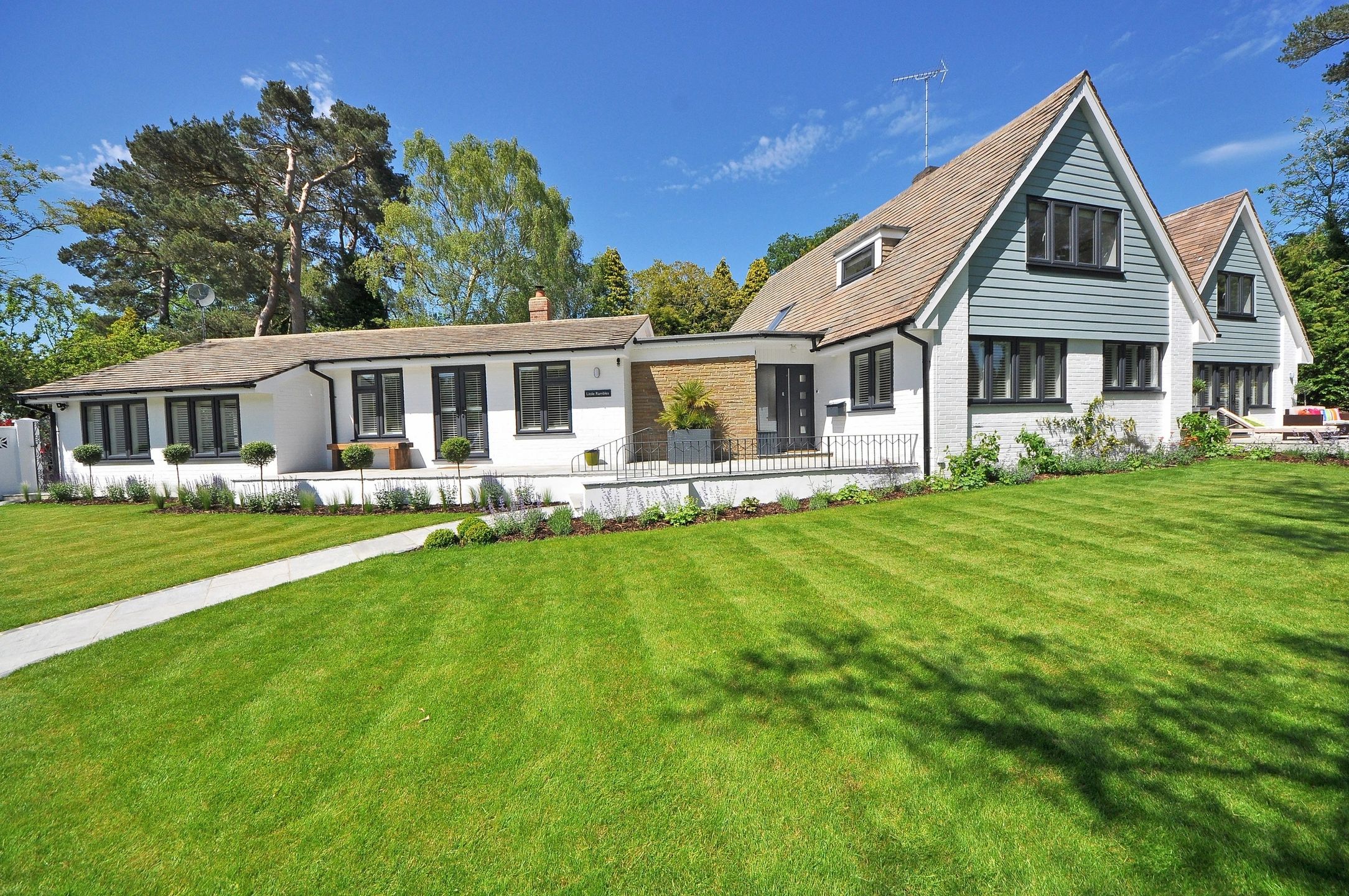
Inspired Glazing makes aluminium windows at its Fifield workshop near Windsor and installs UPVC and aluminium windows across Berkshire, Buckinghamshire, Surrey, west Kent and north West Sussex. This guide is meant to help you decide whether replacement makes sense before a sale, or as a long-term improvement. For prices, see our double glazing cost guide.
What the research says about value
Nationwide’s study, reported by Estate Agent Today in June 2026 and based on English Housing Survey data, found:
- A or B-rated owner-occupied homes carry a premium of about 1.6% over comparable D-rated homes, roughly £4,500 at the average English price.
- F or G-rated homes sell for about 1.4% less than D-rated homes, roughly £4,000.
- Homes rated C or E show little price difference from D-rated homes.
- For buy-to-let purchases the A/B premium was much larger, at 12.2%.
- 78% of homeowners expect buyers to pay more for an energy-efficient home, and energy-saving windows and doors were the third most common green improvement after solar panels and insulation.
Where the sources disagree: some consumer guides make much bigger claims. FMB HomePicks (October 2026) says new windows can add “up to 10%” to a property’s value, but does not explain where that figure comes from. Nationwide’s controlled analysis points to a far smaller effect from energy rating alone. We would not plan a window project on the basis of a percentage uplift. A local estate agent’s view of your street is a better guide.
“Professional service, good communication and attention to detail throughout the job. The finished work looks fantastic and was exactly what I needed.”
“Everything from the sales to the installation was a perfect experience. We love our sliding doors and windows.”
“Excellent work done in installing the new door. Price was very competitive. Would highly recommend.”
How new windows affect your EPC
An Energy Performance Certificate is required when you sell, and buyers see the rating on every listing. The assessor records the type of glazing, its age, the frame material and the approximate window area. According to EPC Advisor (reviewed October 2026), replacing single glazing with modern low-E double glazing typically adds about 3 to 8 SAP points. Upgrading pre-2002 double glazing adds only about 1 to 3 points, and moving from double to triple glazing about 1 to 2.
In practice, this means:
- If you still have single glazing, replacement is one of the more noticeable EPC improvements you can make, and may move you up a band, depending on where your score sits now.
- If you already have double glazing from the 1990s or 2000s, replacing it will improve comfort and appearance more than your EPC score. Loft and wall insulation or heating upgrades usually move the rating further.
- Keep the evidence. EPC Advisor recommends keeping the installer certificate, the Building Regulations compliance certificate, invoices and the glass specification, so the next assessor records the glazing correctly.
Our energy-rated windows page explains the A++ to E window ratings, and double vs triple glazing covers whether the extra pane is worth it.
Running costs buyers can see
An EPC also shows estimated energy costs, and that’s where buyers often focus. Nationwide’s analysis found that homes rated A to C have median fuel costs about £400 a year lower than D-rated homes. Windows alone won’t deliver that, but they are part of the package. The Energy Saving Trust estimates that A-rated double glazing in place of single glazing saves a typical semi-detached home about £85 a year. Lower draughts and less condensation are things buyers notice straight away when they walk round.
Buyer perception and the survey
Most buyers don’t calculate SAP points. They notice whether windows look tired, mist up, stick or let in draughts. Those details tend to show up in two places.
At viewings
Misted units, yellowed UPVC, peeling paint on old frames, or condensation and mould around reveals all suggest a cost the buyer will have to take on. Buyers may factor the cost of a full replacement into what they offer, and they rarely know what that really costs.
In the survey report
Surveyors routinely comment on window condition. FENSA says the survey and the certificates together “often” decide whether a buyer proceeds (FENSA). A survey that flags failed units or rotten frames gives the buyer grounds to renegotiate. Windows in good condition, with paperwork, take that issue off the table.
The paperwork buyers’ solicitors ask for
Since April 2002, replacement windows in England have had to comply with the Building Regulations. The Planning Portal explains that an installer registered with a competent person scheme can self-certify the work, and you then receive a certificate. If an unregistered installer did the work, approval has to come from building control instead.
- FENSA and CERTASS are two of the competent person schemes for windows and doors. CERTASS explains that a Building Regulation Compliance Certificate can be issued by any licensed scheme, not just one brand (CERTASS).
- FENSA says a buyer’s solicitor will need evidence that your windows meet the regulations, and that a missing certificate “could” delay your sale. It may also cost you an inspection or remedial work.
- If a FENSA-registered installer fitted your windows and you have lost the certificate, FENSA says you can request a replacement using your postcode and house number.
Our tip: before you put your home on the market, gather the window and door certificates, guarantee documents and invoices into one folder. Sorting this out when you instruct an agent is much less stressful than doing it mid-conveyance.
Kerb appeal and the photos on the listing
Windows are a large part of what buyers see in the first listing photo. Consistent, well-proportioned frames make the front of a house look cared for, and mismatched windows from different decades can look untidy. A few points to consider:
- Match the period of the house. On Victorian and Edwardian homes, sash-style windows generally suit the façade better than chunky top-hung casements. In a conservation area, check our planning guide for replacement windows first.
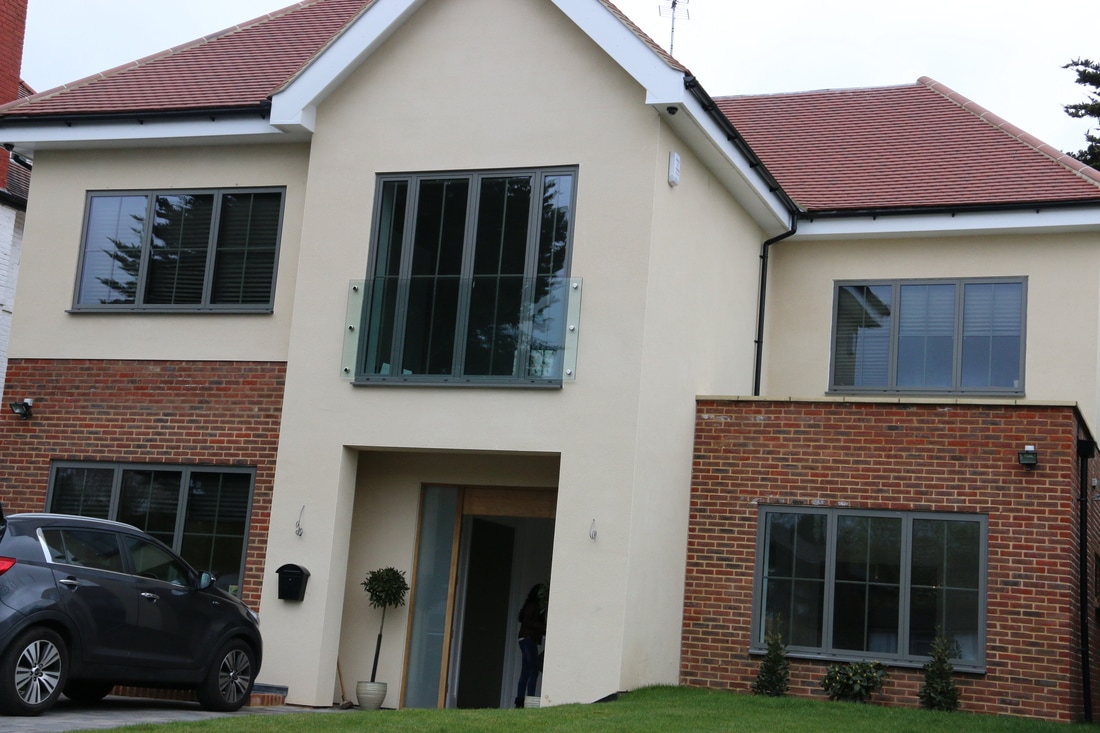
- Choose colours with broad appeal. Anthracite grey and black are popular on modern and remodelled homes, while white and cream remain safe on traditional houses. See grey and black windows.
- Think about the whole elevation. A new front door, porch or roofline at the same time can transform a façade far more than windows alone.
When replacing windows before a sale makes sense, and when it doesn’t
It usually makes sense if your windows are single-glazed, visibly failing, or so mismatched they spoil the front of the house, or if a survey on a previous sale attempt flagged them. It also makes sense if you plan to stay a few years and want the comfort and lower bills yourself.
It may not pay back if your existing double glazing is sound and only dated, and you are selling within months. A professional clean, new handles, replacement sealed units where they have misted, and having your certificates ready may achieve most of the benefit for much less money.
Talk to us about your windows
We will give you an honest view of whether your windows need replacing or just repairing, with a clear written quote. Our aluminium windows start from £750 + VAT, lead times start from 10 days, and every installation carries a 10-year guarantee. Call 01753 965 005 or request a free quote.
Frequently asked questions
Do new windows increase house value in the UK?
They can help, but the measurable effect is modest. Nationwide's 2026 research found that A or B-rated homes sell for about 1.6% more than similar D-rated homes, and windows are only one part of the EPC. The larger benefits are fewer survey issues, better buyer impressions and smoother conveyancing when your certificates are in order.
Will new double glazing improve my EPC rating?
It depends on what you are replacing. EPC Advisor estimates that replacing single glazing with modern low-E double glazing adds about 3 to 8 SAP points, but upgrading older double glazing adds only about 1 to 3. Keep your installer certificate and glass specification so the next EPC assessor records the new windows correctly.
Do I need a FENSA certificate to sell my house?
A buyer's solicitor will want evidence that any windows replaced since April 2002 meet Building Regulations. That can be a FENSA certificate, a certificate from another competent person scheme such as CERTASS, or building control approval. FENSA warns that missing certification can delay a sale, so gather your paperwork before you put the house on the market.
Is it worth replacing windows before selling?
Usually only if they are single-glazed, visibly failing or badly mismatched. If your double glazing is sound but dated, replacing misted sealed units, fixing hinges and having your certificates ready may give most of the benefit for much less. A local estate agent can tell you whether buyers in your area expect new windows.
What windows look best for kerb appeal?
Windows that suit the age of the house usually look best. Sash-style windows suit many Victorian and Edwardian homes, while slim aluminium casements in grey or black suit modern and remodelled properties. Consistency matters too: matching frames, colours and glazing bars across the front elevation make a home look cared for in listing photos.