
The most secure front door is not a particular material. It is a complete doorset, meaning door, frame, glass and hardware, that has been tested together to PAS 24, fitted with a multipoint lock and an anti-snap cylinder rated TS 007 3-star or Sold Secure SS312 Diamond, and installed properly into a sound opening. Composite, aluminium and UPVC doors can all reach that standard. We supply and fit secure front and back doors across Berkshire, Buckinghamshire, Surrey, west Kent and north West Sussex, and this guide explains what each rating means so you can compare quotes properly.
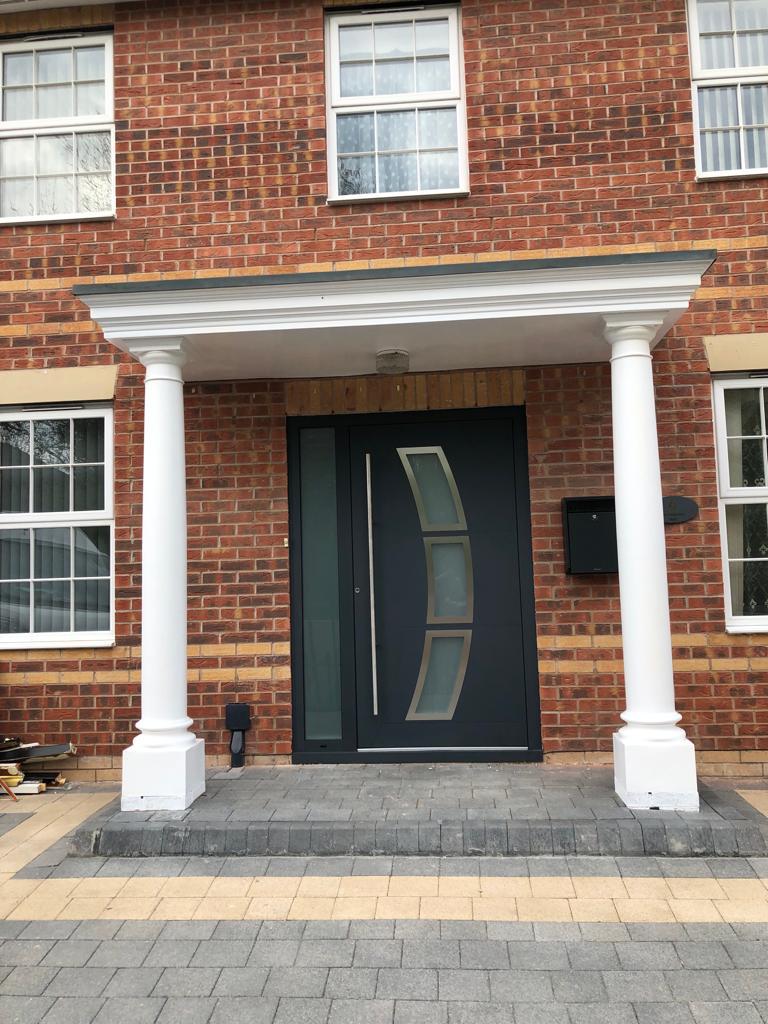
For styles, materials and colours, see our front doors guide and external doors page. This page is purely about keeping people out.
PAS 24: the doorset test that matters
PAS 24 is the British Standards Institution specification for enhanced security performance of doorsets and windows for homes. Rather than testing one component, it tests the assembled product against attack methods such as forcing, levering and removing glass or panels. That is why West Yorkshire Police advise buying a complete door set certified to PAS 24 (police door and window advice).
A PAS 24 product is also deemed to meet Approved Document Q, the Building Regulations security requirement for new homes, as Homebuilding & Renovating explains. Approved Document Q is aimed at new dwellings, so a replacement door is not legally required to meet it, but it is a sensible benchmark to ask for.
“Professional service, good communication and attention to detail throughout the job. The finished work looks fantastic and was exactly what I needed.”
“Everything from the sales to the installation was a perfect experience. We love our sliding doors and windows.”
“Excellent work done in installing the new door. Price was very competitive. Would highly recommend.”
Secured by Design
Secured by Design is an official police security initiative. Its product accreditation, the Police Preferred Specification, requires products to meet recognised standards such as PAS 24, and is not a legal requirement for homeowners (source). Think of it as PAS 24 plus further scrutiny: a useful extra, but a properly certified PAS 24 doorset is the baseline.
Cylinders and lock snapping
UPVC and composite doors use a euro cylinder, the part your key goes into. A weak cylinder can be snapped, exposing the mechanism so the lock can be turned. The ratings to look for:
- TS 007 1-star: resists drilling, picking and bumping, but is not tested against snapping, according to the Master Locksmiths Association.
- TS 007 1-star cylinder plus 2-star handles: the security handle protects the cylinder, which together reach the 3-star level.
- TS 007 3-star cylinder: passes all TS 007 tests, including snapping, as the Door Industry Journal explains.
- Sold Secure SS312 Diamond: described by the MLA as the first test standard developed to counter lock snapping and the highest approval for cylinders, using a heavier tool list.
Police advice also says the cylinder should not stick out more than 3mm beyond the door furniture. A protruding cylinder gives an attacker something to grip.
Multipoint locks and how to use them
A multipoint lock throws hooks, rollers or bolts into the frame at several points along the locking edge when you lift the handle, then the key or thumbturn deadlocks them. Two habits matter:
- Always lift the handle and turn the key. Pulling the door shut on the latch leaves only one point engaged.
- Do not leave keys in the inside of the lock or on a hook near the door, where they can be fished through a letterplate.
Insurers commonly expect a multipoint lock with a TS 007 3-star cylinder (or 1-star with 2-star furniture) on UPVC and composite doors, according to Allianz. Check your own policy wording.
Hinges, frames and fixing
Doors are attacked on the hinge side as well as the lock side. Police advise long, strong screws, and hinge bolts or security hinges on outward-opening doors. Hinge bolts, sometimes called dog bolts, are fixed pins that engage the frame when the door closes, so the door stays put even if hinges are attacked. Just as important is the frame fixing: a certified doorset only performs as tested if it is fixed into sound masonry with the right fixings and packers, which is the installer’s job. Rotten or weak surrounding frames should be replaced.
Glass in doors
Glazing is often the weakest point of a door. Ask for laminated glass, which holds together when broken; police advice suggests laminated security glass to BS EN 356 P1A or greater for vulnerable doors. Check that glazing beads are internal or secured so the glass cannot be removed from outside. Side panels next to the lock need the same care, because breaking one gives a reach to the handle.
Letterplates, spyholes and chains
- Letterplates: DHF TS 008 is the Door & Hardware Federation specification for letter plate security, including a test for resistance to key fishing (DHF). A TS 008 letterplate or an internal cowl stops someone reaching or hooking through.
- Spyholes: a door viewer lets you see callers without opening the door, especially useful if you have no side glass.
- Chains and restrictors: useful for checking callers, but police point out they do nothing to protect a locked door from burglary.
Our door handles and smart locks guide goes into furniture choices.
Composite, aluminium or UPVC: which is most secure?
Each material can make a very secure door. Composite slabs are thick and rigid; aluminium frames are strong for their size and suit large glazed doors; good UPVC doors use steel reinforcement in the profile. What separates a secure door from a weak one is the tested doorset, the lock, the cylinder, the glass and the fitting. Compare certificates, not adjectives.
Do not forget the other doors
Back, side and garden doors are often hidden from view and deserve the same specification. See our pages on back doors, French doors and patio doors.
A quick security checklist
- Ask for the PAS 24 certificate for the doorset you are being quoted.
- Check the cylinder is TS 007 3-star or SS312 Diamond, or 1-star with 2-star furniture.
- Make sure the cylinder sits no more than 3mm proud of the handle.
- Specify laminated glass on vulnerable panes and side panels.
- Fit a letterplate tested to TS 008 or add a cowl.
- Lift the handle and lock with the key every time.
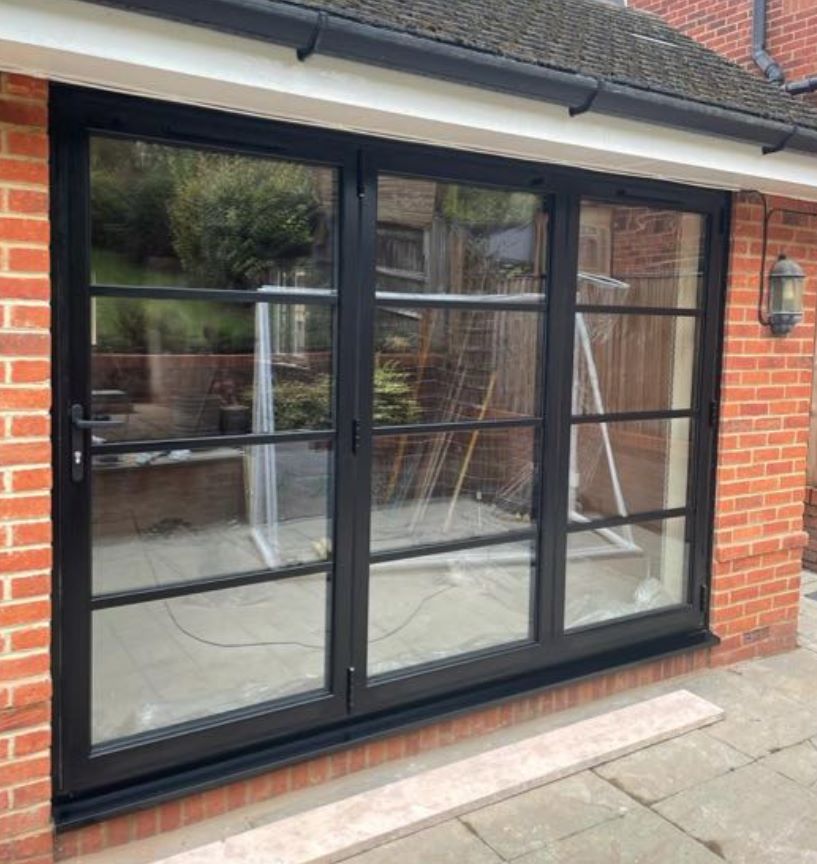
Book a free door security survey
We will look at your existing doors, tell you plainly where they are weak, and quote for secure replacements with our 10-year guarantee and lead times from 10 days. Call 01753 965 005 or request a quote online.
Frequently asked questions
What is the most secure type of front door?
The most secure front door is a complete doorset tested to PAS 24, with a multipoint lock, an anti-snap cylinder rated TS 007 3-star or Sold Secure SS312 Diamond, laminated glass and professional installation. Composite, aluminium and UPVC can all reach this level, so compare the certification and hardware rather than the material.
What does PAS 24 mean on a door?
PAS 24 is the British Standards Institution specification for enhanced security of doorsets and windows for homes. It tests the complete door, frame, glass and hardware against forced entry methods such as levering and removing panels. A PAS 24 product is deemed to meet Approved Document Q, the security standard for new homes.
Is a 3-star cylinder better than Sold Secure Diamond?
Both protect against lock snapping. A TS 007 3-star cylinder has passed the full TS 007 test, including snapping. Sold Secure SS312 Diamond is a separate standard developed specifically to counter snapping, and the Master Locksmiths Association regards it as the highest cylinder approval. Either is a sound choice for a front door.
Do I need a Secured by Design door?
No, it is not a legal requirement for homeowners. Secured by Design is a police initiative whose Police Preferred Specification requires products to meet standards such as PAS 24, so it is a useful extra assurance. A properly installed PAS 24 doorset with a good cylinder is the practical baseline to ask for.
What locks do insurers require on UPVC and composite doors?
Many insurers expect a multipoint locking system with a euro cylinder meeting TS 007 3-star, either as a 3-star cylinder or a 1-star cylinder with 2-star security handles. Timber doors are usually expected to have a BS 3621 mortice deadlock. Requirements vary, so always check the wording of your own policy.