
Motorised blinds, often called electric blinds, raise, lower or tilt at the press of a remote, a wall switch, a phone app or a voice command. The first decision is how the motor is powered: battery or rechargeable motors need no wiring and can be added to an existing home in a day, while mains-wired motors suit new extensions and refurbishments where an electrician can run cables before plastering. The second decision is control, from a simple remote to full smart home scheduling. This page explains both, along with the Building Regulations points for wired installations. For blind styles in general, see our main blinds page.
Who benefits most
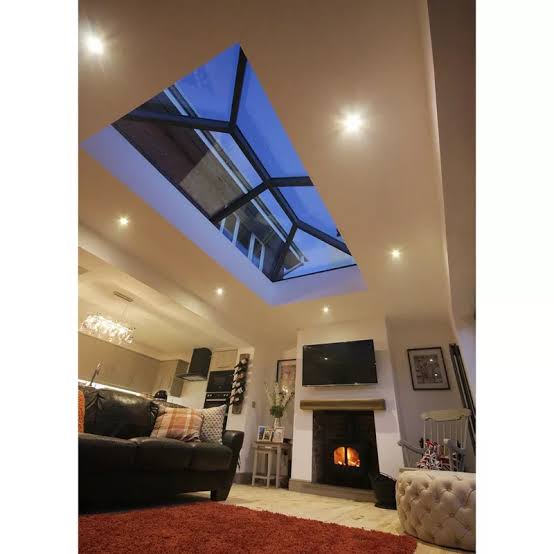
- High or unreachable glazing: roof lanterns, skylights, gable apex glass and tall stairwell windows.
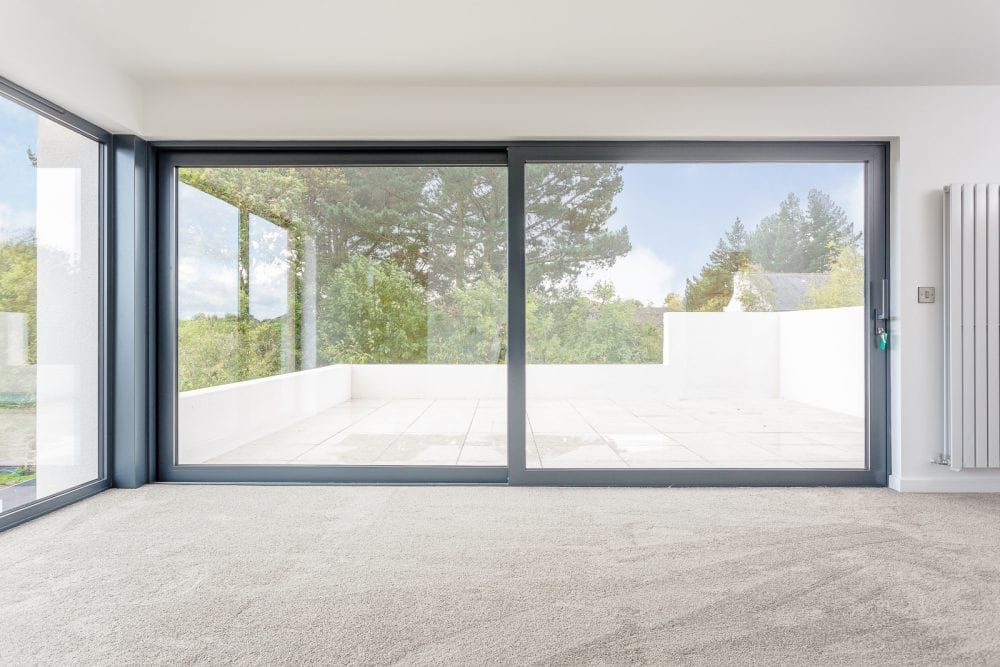
- Large openings: wide blinds above sliding and bifold doors that are heavy to operate by hand.
- Homes with young children: no cords or chains to manage at all.
- Anyone with limited mobility or grip: one button rather than a chain or cord.
- Homes with many blinds: close every blind in a room, or the house, with one command.
“Professional service, good communication and attention to detail throughout the job. The finished work looks fantastic and was exactly what I needed.”
“Everything from the sales to the installation was a perfect experience. We love our sliding doors and windows.”
“Excellent work done in installing the new door. Price was very competitive. Would highly recommend.”
Power options compared
Battery
Disposable batteries sit in the headrail or in a slim wand beside the blind. There is nothing to wire, so it is the fastest way to motorise an existing window. Battery life depends on the size of the blind and how often it moves, so a large blind used several times a day will need batteries more often.
Rechargeable
A built-in battery is topped up with a USB lead every so often, or by a small solar panel on the glass. It avoids buying batteries and suits most domestic blinds. Remember that someone has to reach the charging point, which matters on a roof lantern.
Mains-wired
The motor is powered from the house supply, either directly or via a low-voltage transformer. It never needs charging and suits very large or heavy blinds, roof systems and blinds you expect to use a lot. It needs a cable to each blind position, which is easy in a new build or extension and disruptive in a finished room.
Part P and wired blinds
Electrical work in homes in England must meet Part P of the Building Regulations, explained in Approved Document P. Some work must also be notified to building control. As the IET summary sets out, notifiable work includes installing a new circuit, replacing a consumer unit, and any addition or alteration to an existing circuit in a special location such as a room containing a bath or shower. Extending an existing circuit elsewhere in the house is generally not notifiable, but it must still be done safely and to the wiring standard. In practice, that means:
- wired blinds should be connected by a qualified electrician, ideally registered with a competent person scheme so they can self-certify notifiable work;
- blinds in bathrooms and en-suites need extra care, because they are special locations;
- in a new extension, plan cable runs with your electrician before plastering, with a spur or fused connection near each headrail.
Battery and rechargeable motors avoid all of this, which is often the deciding factor in a finished home.
Control options
- Handheld remote: one or several channels, so you can move a single blind or a group.
- Wall switch: wireless switches stick or screw to the wall without wiring.
- App and hub: a small hub connects the blinds to your Wi-Fi for phone control, timers and scenes.
- Voice and smart home: many systems link with popular voice assistants and smart home platforms. Ecosystems differ, so check compatibility before you buy, and avoid mixing motor brands that need separate hubs.
- Sensors: sun and temperature sensors can lower roof blinds automatically on hot afternoons.
Which blinds can be motorised?
Roller blinds are the easiest and most common. Roman blinds, vertical blinds, Venetian blinds (for tilting and lifting) and pleated and honeycomb blinds can all be motorised too, as can tensioned roof blinds for roof lanterns and skylights and conservatory roofs. Not every fabric, size and motor combination is possible, so ask us and we will confirm for your sizes.
Smart scheduling that earns its keep
Timers are where motorised blinds go from convenient to useful. Set bedroom blackout blinds to open gradually at your alarm time. Lower south-facing blinds before the sun reaches the glass to keep a room cooler. Close blinds at dusk while you are away so the house looks occupied. Group the blinds over a run of bifold doors so they move together.
Child safety
Motorised blinds remove looped cords and chains, the strangulation hazard that BS EN 13120 and the government’s blind cord advice are designed to manage. Keep remotes out of reach of small children and make sure charging leads are not left dangling near cots.
Common mistakes
- Choosing a wired system for a finished room, then discovering the redecorating it involves.
- Placing a hub where Wi-Fi or the radio signal will not reach every blind.
- Forgetting a manual override for roof blinds in a power cut, or a way to reach a recharge point.
- Mixing brands so that one app cannot control everything.
Looking after motorised blinds
Keep the fabric free of dust as you would any blind. Replace or recharge batteries before they run completely flat, and keep the hub’s software updated. If a blind stops at the wrong point, its end limits can usually be reset.
Book a motorised blinds survey
We will look at your windows, power options and smart home set-up, then recommend battery or wired motors to suit. Call 01753 965 005 or get a free quote online. We fit across Berkshire, Buckinghamshire and Surrey, and into west Kent and north West Sussex.
Frequently asked questions
Are battery or mains motorised blinds better?
Battery and rechargeable motors need no wiring, so they suit existing homes and can be fitted in a day. Mains-wired motors never need charging and suit very large blinds, roof systems and heavy daily use, but they need a cable to each blind. In a new extension, wiring is easy to plan; in a finished room, battery is usually simpler.
Do wired electric blinds need Building Regulations approval?
Electrical work must meet Part P. Installing a new circuit, replacing a consumer unit, or altering a circuit in a bathroom or shower room is notifiable to building control. Adding a connection to an existing circuit elsewhere usually is not, but must still be done safely. A registered electrician can self-certify notifiable work.
Can motorised blinds work with Alexa or Google Home?
Many motorised blind systems connect to popular voice assistants and smart home platforms through a hub, so you can use voice commands, schedules and scenes. Compatibility varies between motor brands, so check which ecosystem you use before choosing, and keep all the blinds on one system so a single app controls everything.
How long do motorised blind batteries last?
It depends on the size and weight of the blind and how often it moves. A small blind used once or twice a day lasts much longer than a large blind moved several times daily. Rechargeable motors are topped up by USB or a small solar panel, which avoids buying replacement batteries.
Can I motorise blinds in a roof lantern?
Yes, and it is usually the most practical way to operate them, because lantern glass is out of reach. Each pane has its own tensioned pleated or honeycomb blind, and the motors can be grouped so all panes move together. Sun sensors can lower the blinds automatically on hot afternoons.