
Pleated blinds are made from a crisp fabric folded into fine, permanent pleats, so they compress into a very slim stack and can be held taut on cords. Honeycomb blinds, also called cellular blinds, join two pleated layers into a row of air-filled cells that add insulation. Because they are light, slim and can be tensioned, both types are the go-to answer for glazing other blinds cannot handle: roof lanterns, conservatory roofs, sloping and shaped windows, and perfect-fit frames on doors and tilt and turn windows. Our main blinds page introduces them; here we go into how they are used.
Pleated or honeycomb: what is the difference?
A single pleated blind is one layer of fabric. It is the slimmest option, comes in a wide range of colours and textures, and is available in sheer, dim-out, blackout and reflective versions.
A honeycomb blind is two or more layers forming hexagonal cells. The trapped air slows heat moving through the blind, so a honeycomb helps a cold room on winter nights and takes the edge off summer heat. The cells also hide the cords inside, giving a cleaner look from both sides. Honeycombs are slightly deeper when stacked and usually cost more than single pleats.
“Professional service, good communication and attention to detail throughout the job. The finished work looks fantastic and was exactly what I needed.”
“Everything from the sales to the installation was a perfect experience. We love our sliding doors and windows.”
“Excellent work done in installing the new door. Price was very competitive. Would highly recommend.”
Roof lanterns
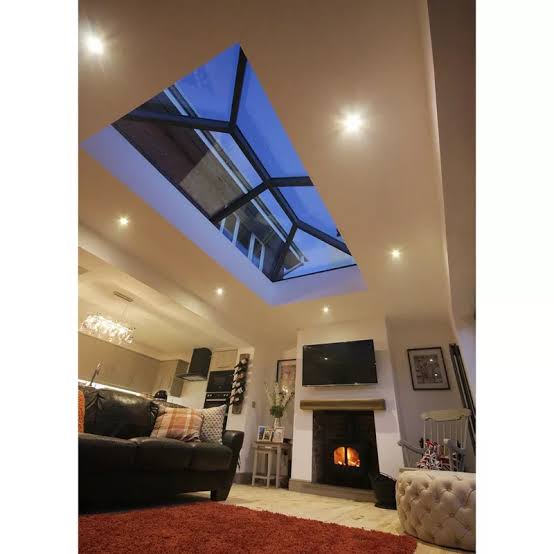
A roof lantern is wonderful for daylight but can make a kitchen or living room hot in summer and gloomy-feeling at night when the glass turns black. Lantern blinds are made pane by pane: each sloping triangle or trapezoid and each vertical upstand gets its own blind, made to its exact shape and angle and held in tension on side cords so it never sags. They are usually operated by a pole or, more often, motorised, because most lanterns are out of reach. If you are planning a lantern, our roof lanterns and skylights page covers the glazing itself; fitting blinds after the lantern is installed gives the most accurate fit.
Conservatory roofs and sides
Conservatories combine sloping roof panels, vertical side frames and sometimes gable ends. Pleated blinds suit all three, made to the angles of each panel, so the whole room can be dressed in matching fabric. For the roof, a reflective backing facing the glass bounces sunlight back out before it heats the room. For the sides, perfect-fit pleated blinds keep each opening window usable. If you are thinking about a new conservatory or replacing an old roof, see our conservatories and orangeries pages.
Perfect-fit pleated blinds
A perfect-fit frame clips into the glazing bead of a window or door with no drilling. The pleated blind runs inside the frame, held at both sides, so it moves with the sash, does not swing when the window is tilted and leaves the handle free. That makes it ideal for tilt and turn windows, top-opening casements, glazed doors and bifold leaves. Perfect-fit frames suit most UPVC windows with suitable beading; on aluminium frames it depends on the bead profile, so ask us and we will confirm for your sizes.
Top-down, bottom-up
A free-hanging pleated blind can have a movable top rail as well as a movable bottom rail. Lower the top to let daylight in high up while the bottom of the window stays covered for privacy. It is a neat solution for street-facing bathrooms, ground-floor bedrooms and home offices.
Shaped and awkward windows
Because the fabric is held on cords rather than rolled, pleated blinds can be made to triangles, trapezoids and other shapes, including gable apex glazing in extensions and loft conversions. Arched and circular windows are harder; some shapes can be done with a fixed fan or a sunburst panel, so ask us and we will confirm for your window.
Choosing the fabric
- Sheer or translucent: softens glare while keeping the room bright.
- Reflective-backed: the best choice on roof glazing and south-facing glass.
- Blackout: for skylights in bedrooms; honeycomb blackout reduces pinpricks at the cord holes.
- Moisture-resistant: for bathrooms and kitchen windows.
Practical limits
- Very wide free-hanging pleated blinds can bow in the middle, so wide windows are usually split.
- Cords are visible on single pleated blinds when viewed close up; honeycombs hide them.
- Tensioned roof blinds need fixings at the corners of each pane, which we plan so they do not interfere with drainage or vents.
Controls and child safety
Perfect-fit and tensioned pleated blinds have no hanging cord, so they are naturally child-safe. Free-hanging versions with a cord must have the safety devices supplied with them fixed in place; blinds are made to BS EN 13120, and the government advice is to keep cords out of reach and furniture away from windows. Motorised options are explained on our motorised blinds page.
Common mistakes
- Ordering roof blinds before a new lantern or conservatory roof is installed.
- Choosing a dark fabric with no reflective backing for overhead glass.
- Expecting a free-hanging blind to work on a tilt and turn window.
Care
Pleated fabrics need little attention. Dust with a feather duster or a vacuum on low with a brush head. Dust and the odd insect can settle in honeycomb cells; a cool hairdryer clears them. Avoid soaking, which can soften the pleats.
Book a survey for pleated or honeycomb blinds
We survey roof lanterns, conservatories and shaped glazing pane by pane and quote for every blind. Call 01753 965 005 or request your free survey online. From Fifield we reach homes in Windsor, Maidenhead, Slough, Reading, Guildford and beyond, through Surrey to west Kent and north West Sussex.
Frequently asked questions
What is the difference between pleated and honeycomb blinds?
A pleated blind is a single layer of crisp folded fabric, very slim and available in many colours. A honeycomb blind joins two or more pleated layers into air-filled cells, which improves insulation and hides the cords. Honeycombs cost a little more and stack slightly deeper, but they help keep rooms warmer in winter and cooler in summer.
Can you fit blinds to a roof lantern?
Yes. Each pane of the lantern gets its own pleated or honeycomb blind, made to its exact shape and angle and held taut on side cords so it does not sag. Most lantern blinds are motorised because the glass is out of reach. We measure after the lantern is installed so every blind fits precisely.
Do honeycomb blinds really insulate?
They help. The cells trap a layer of still air between the glass and the room, which slows heat escaping on cold nights and reduces solar heat gain on sunny days. They are not a substitute for efficient glazing, but in a conservatory or under a roof lantern they make a noticeable difference to comfort.
Are pleated blinds good for tilt and turn windows?
Yes, in a perfect-fit frame. The frame clips into the glazing bead and the blind runs inside it, so it moves with the sash when you tilt or open the window and leaves the handle clear. A free-hanging blind would swing or block the sash. Perfect-fit frames suit most UPVC windows with suitable beading.
Can pleated blinds be made for triangular windows?
Yes. Because pleated fabric is held on cords rather than rolled, it can be made to triangles, trapezoids and other angled shapes, such as gable apex glazing in extensions and loft conversions. Fully arched and circular windows are more limited, so we confirm what is possible for your shape at the survey.