
Wooden shutters are interior plantation shutters made from real timber, usually a lightweight hardwood, finished in paint or a stain that shows the grain. Compared with MDF or vinyl, hardwood is lighter for its strength, so panels can be wider and taller without sagging; it takes a finer finish; and it brings the warmth of natural wood into the room. The trade-off is that timber dislikes standing water and steam, so it belongs in living rooms, bedrooms, studies and dining rooms rather than showers. This page explains how to choose and look after wooden shutters. Our main shutters page covers styles and alternatives.
Shutters are an interior product
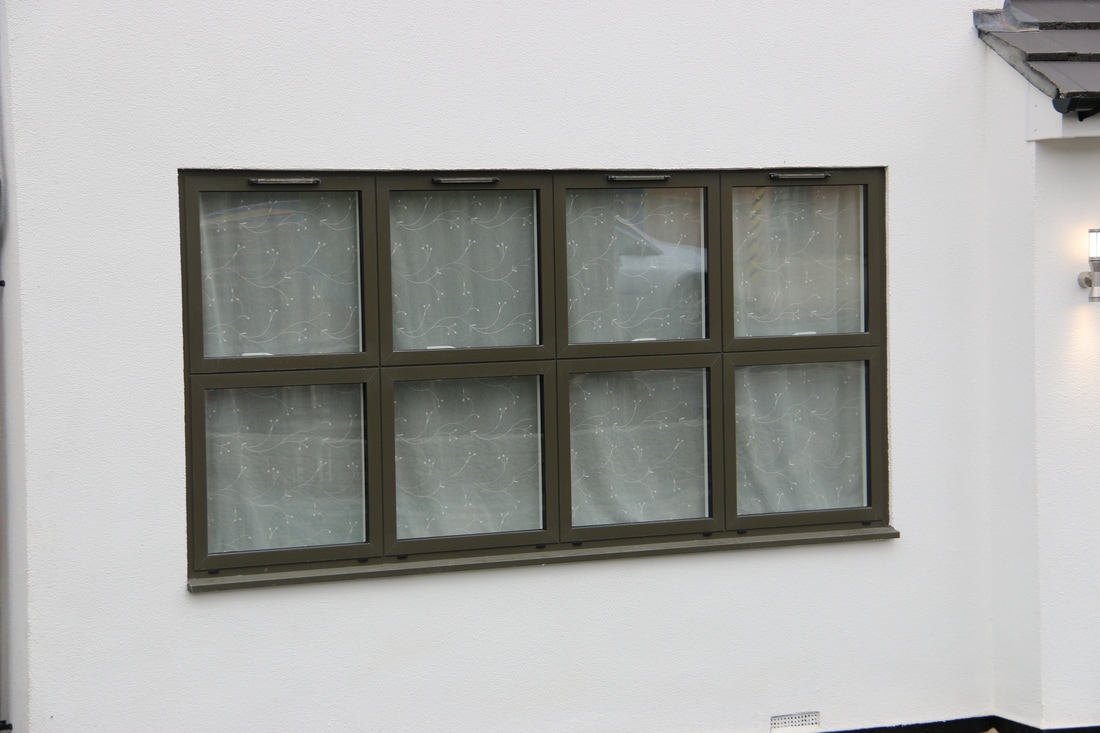
Plantation shutters sit inside the room, in front of the glass, so timber is a natural material for them. Your windows are a separate decision. We supply windows and doors in aluminium and UPVC rather than timber. If you want a wood look on the frames too, woodgrain-finish UPVC and aluminium are both available; see our UPVC windows and doors and sash windows pages.
“Professional service, good communication and attention to detail throughout the job. The finished work looks fantastic and was exactly what I needed.”
“Everything from the sales to the installation was a perfect experience. We love our sliding doors and windows.”
“Excellent work done in installing the new door. Price was very competitive. Would highly recommend.”
Which timbers are used?
Shutter hardwoods are chosen for being light, straight-grained and stable. Species commonly used include basswood, paulownia and poplar, each with a slightly different weight and grain. Lighter timbers suit big panels and wide bays; denser ones feel more solid but add weight to the hinges. Ask which timber a particular range uses, and whether it is certified, if responsible sourcing matters to you. Look for FSC or PEFC certification.
Painted or stained?
Painted
Hardwood takes a smooth, hard-wearing painted finish in whites, creams, greys or deep colours. A painted hardwood shutter looks similar to MDF at first glance, but it is lighter, stronger at the joints and more forgiving of the odd knock.
Stained
Stains let the grain show through, from pale oak tones to rich walnut and dark espresso. Stained shutters suit period homes, panelled rooms and modern interiors with natural wood floors. Expect small natural variations in colour between panels; that is the nature of timber.
Why hardwood rather than MDF?
- Weight: hardwood panels are lighter, so wide and tall panels stay true over the years.
- Strength: timber holds screws and hinges firmly and joints stay tight.
- Repairability: a dent in hardwood can often be filled and touched in; damaged MDF tends to swell.
- Finish: only real wood can be stained to show grain.
MDF costs less and is perfectly good in dry rooms with smaller windows. Many homes mix the two, with hardwood in the main rooms and on large windows.
Where not to use wooden shutters
Steam, splashes and persistent condensation can make timber move, crack the finish or stain it. In bathrooms, en-suites, shower rooms and kitchens near the sink, choose waterproof vinyl in a matching colour instead, so the house still looks consistent from outside. Rooms with heavy condensation on the glass in winter are also better suited to vinyl unless the cause, often old single or failed double glazing, is dealt with. Our energy rated windows guide explains how better glazing reduces condensation.
Sizes, panels and practical limits
Even hardwood has limits. Very wide panels can twist and very tall ones can bow, so large windows are split into more panels, joined by T-posts, and tall windows get a mid-rail. Wide openings such as sliding and bifold doors use tracked hardwood shutters that fold or slide aside; they need enough space to stack beside the opening. In bay windows, lighter timbers help keep the multi-face frame rigid.
Listed and period homes
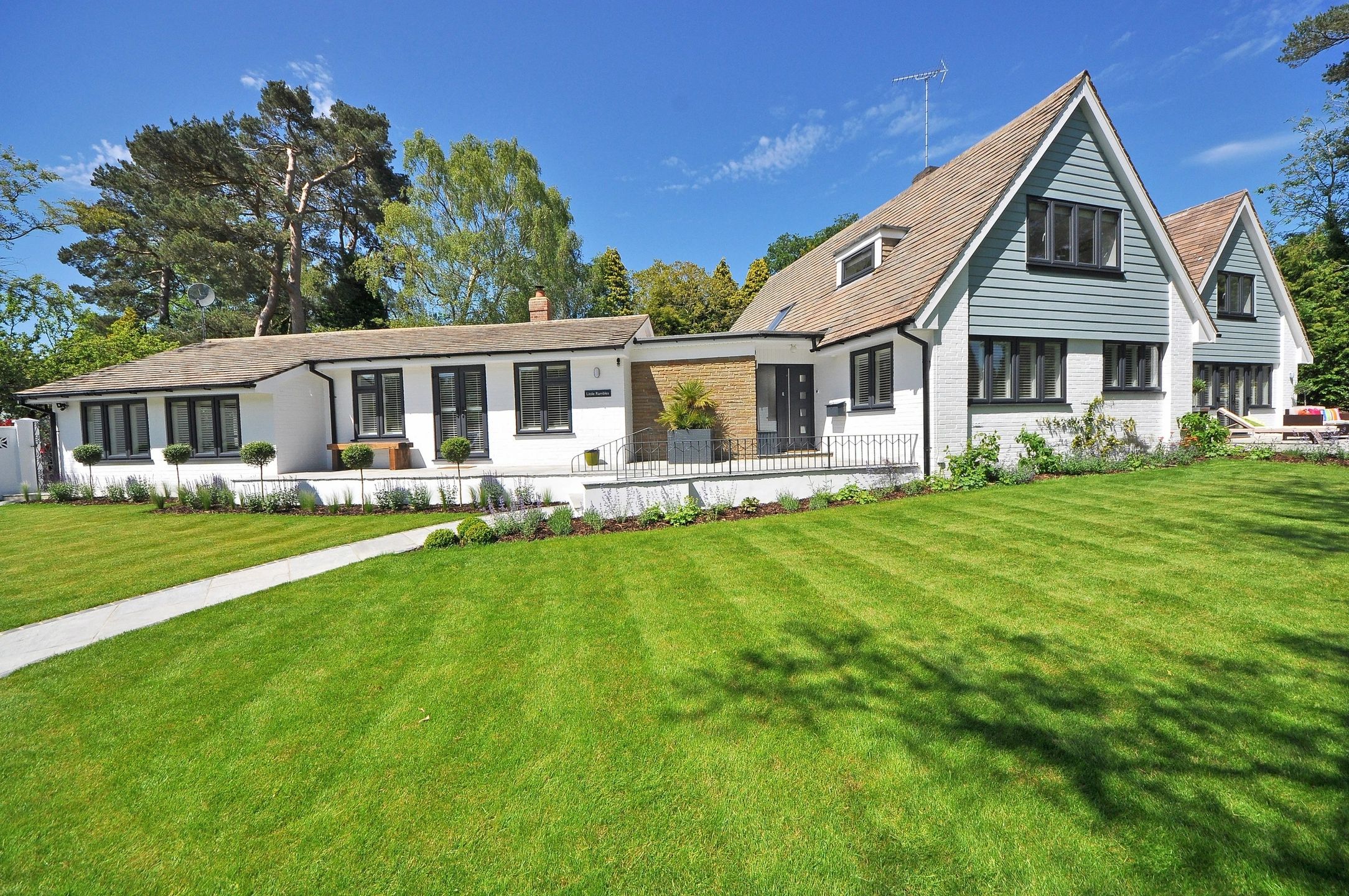
Many Georgian and Victorian houses were built with internal timber shutters, and well-made wooden shutters can suit period homes like these across Windsor, Eton and Marlow. If your home is listed, note that Historic England explains that listing covers the whole building, including the interior, and that most work affecting its special interest needs listed building consent. Fixing new shutter frames into historic joinery or plaster may fall into that, so check with your local planning authority before ordering. If original shutters survive in boxes beside the window, repairing them may be the better route.
Choosing louvres and hardware for timber
Wide louvres show off a stained finish and give a more open view, while narrow louvres suit small cottage windows and keep the scale right. A hidden tilt mechanism lets the timber surfaces read cleanly; a traditional front tilt rod suits period rooms. Hinges are available in finishes such as white, brass, nickel or black, and on stained shutters a matching or antique finish usually looks best. Ask to see a full sample panel rather than a swatch, so you can judge the grain and colour together.
Common mistakes with wooden shutters
- Putting timber in a bathroom because it matches the rest of the house.
- Choosing a dark stain for a sunny room without seeing a sample in that light.
- Ordering before new windows are fitted, which changes the reveal.
- Skipping the mid-rail on a tall window, leaving long louvres that flex.
Caring for wooden shutters
Dust weekly with a soft cloth or a duster. Wipe marks with a barely damp cloth and dry immediately; never use household sprays that leave a residue. Keep louvres open slightly on cold mornings to let air reach condensation on the glass behind. Over time, louvre tension can be tightened with a screwdriver, and small chips in paint can be touched in.
Arrange a wooden shutters consultation
See painted and stained hardwood samples in your own rooms and get a written quote by window. Call 01753 965 005 or book a free visit online. We serve Windsor, Maidenhead, Marlow and the surrounding counties, including Surrey, west Kent and north West Sussex.
Frequently asked questions
Are wooden shutters better than MDF shutters?
Hardwood is lighter for its strength, so it suits wider and taller panels without sagging, holds hinges firmly and can be stained to show the grain. MDF costs less and works well on smaller windows in dry rooms, but it swells if it gets wet. Many homes use hardwood in the main rooms and MDF or vinyl elsewhere.
Can I have wooden shutters in a bathroom?
It is best not to. Steam, splashes and condensation can make timber move or damage its finish. Waterproof vinyl shutters are designed for bathrooms, en-suites and kitchens near the sink. They come in colours and louvre sizes that match hardwood shutters, so the house still looks consistent from outside.
What wood are plantation shutters made from?
Shutter hardwoods are chosen for being light, straight-grained and stable. Commonly used species include basswood, paulownia and poplar. Lighter timbers suit large panels and bays. If responsible sourcing matters to you, ask which timber a range uses and whether it carries FSC or PEFC certification.
Do I need permission for shutters in a listed building?
Possibly. Listing covers the whole building, including the interior, and most work that affects its special interest needs listed building consent. Fixing new shutter frames into historic joinery or plaster may count. Check with your local planning authority before ordering, and consider repairing any original shutters that survive.
Can wooden shutters be stained rather than painted?
Yes. Real hardwood can be stained in tones from pale oak to dark walnut so the natural grain shows through, which MDF and vinyl cannot do. Expect small colour variations between panels, which is the nature of timber. Painted hardwood is also available if you prefer a solid colour.