
Sound reducing windows cut the noise that reaches you from roads, railways and aircraft by combining heavier or laminated acoustic glass, well-sealed frames and careful installation. No window makes a room silent, but the right specification can make a noticeable difference, especially to bedrooms and home offices. We fabricate acoustic aluminium windows at our own workshop in Fifield, near Windsor, and fit them with our own team, so we control every part of the build that affects noise.
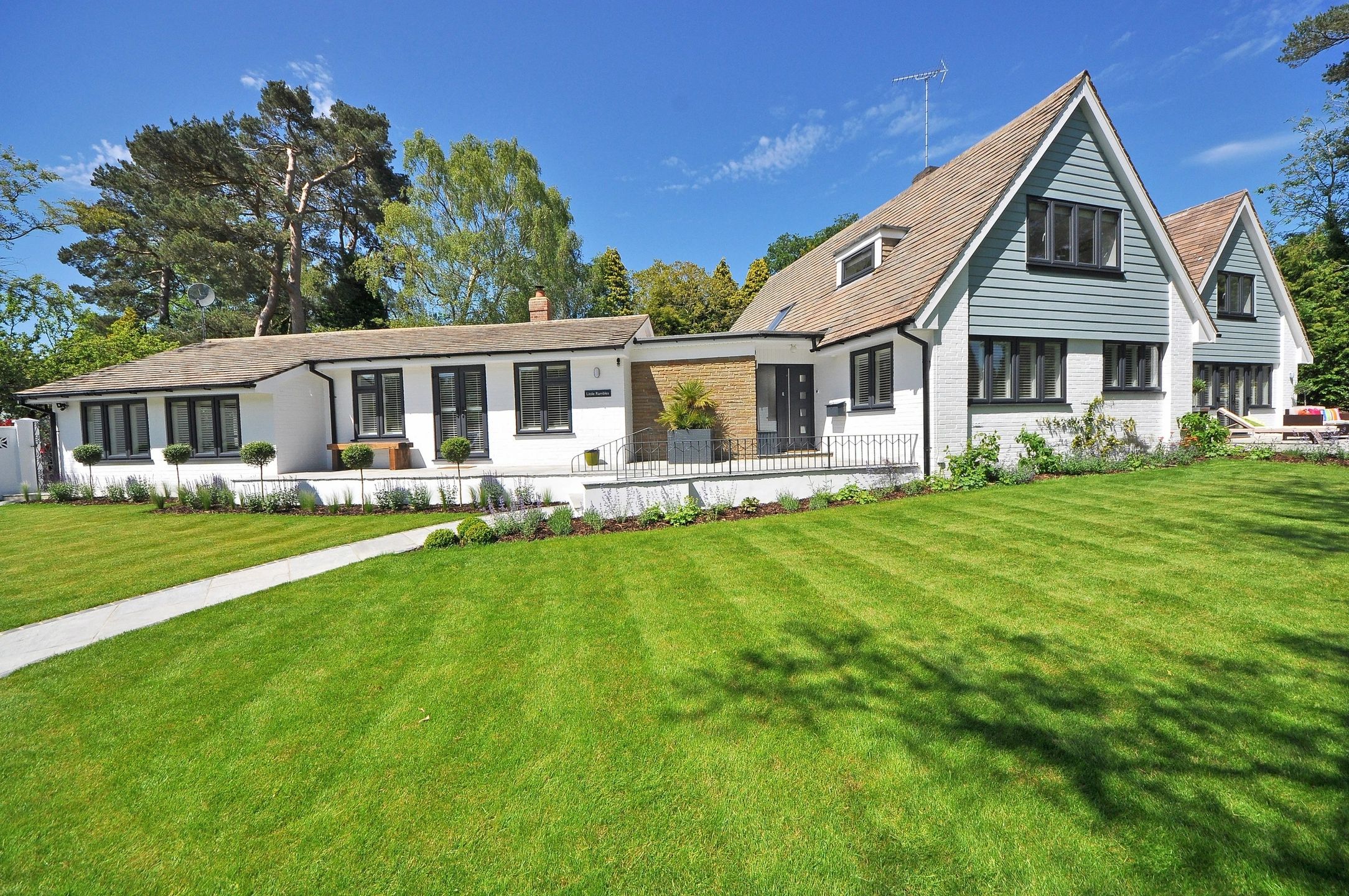
Why noise gets through a window
Sound travels through a window in two ways: through the glass itself, and through gaps around the opening sash and the frame. A brilliant pane of acoustic glass will disappoint if the seals are tired, the sash does not close tightly or the gap between the frame and the wall is badly filled. That is why we talk about the whole window, not just the glass, and why the results of any acoustic upgrade depend on the glass build-up, the seals and the quality of installation.
How acoustic glass works
Glass manufacturers describe a few principles that do most of the work:
- Mass: thicker glass blocks more sound than thinner glass.
- Laminated acoustic glass: two panes bonded with a special interlayer that damps vibration. Pilkington, for example, states that the highest noise insulation is achieved with acoustic laminated glass.
- The cavity: in a double-glazed unit, a larger gap between the panes generally improves sound insulation.
- Unequal panes: glass makers such as Viridian note that standard double glazing with matching panes is weak at controlling noise, and that using panes of different thickness, laminated panes or both improves it.
Laminated glass has a useful side effect: it holds together if broken, which adds a degree of security and safety too.
Understanding acoustic ratings: Rw, C and Ctr
Acoustic performance is usually given as a weighted sound reduction index, Rw, in decibels. Higher is better. You will often see two correction figures after it in brackets, written as Rw(C;Ctr). C adjusts the figure for higher-pitched noise such as speech and nearby activity, while Ctr adjusts it for lower-pitched noise such as road traffic and heavy vehicles. Because traffic rumble is harder to stop, the Ctr figure is normally negative, and it is the more realistic number to look at if you live beside a busy road.
As an example, Reynaers publishes an acoustic rating for its SlimLine 68 window of Rw(C;Ctr) = 47(-2;-7) dB, which means a traffic-noise-adjusted figure of around 40 dB for the tested configuration. Cortizo quotes acoustic insulation of up to Rw 46 dB for its COR 70 C16 ST window system. These are laboratory figures for specific test samples. Real-world results depend on the size of your windows, the exact glass specified, the rest of the wall and roof, and the installation, so treat published ratings as the ceiling of what a system can do rather than a promise for every room.
Is triple glazing better for noise?
Not automatically. Triple glazing is excellent for heat retention, but three panes of the same thickness with narrow gaps can perform little better acoustically than a good double-glazed unit. For noise, an acoustic double-glazed unit with laminated glass and unequal panes often matches or beats a standard triple-glazed unit. Where both warmth and quiet matter, a triple-glazed unit that includes an acoustic laminated pane can give you both, provided the frame can carry the extra weight and thickness. Our guide to double vs triple glazing covers the thermal side.
Frames, seals and installation
The frame matters as much as the glass. Look for:
- multiple gaskets around the sash, compressed evenly by multi-point locking;
- a stiff frame that stays square, which aluminium is good at;
- a sealed, well-filled joint between frame and wall, finished inside and out;
- trickle vents chosen with noise in mind if they are needed, since an open slot is an easy path for sound.
Opening style plays a part too. Fixed panes are the quietest, and inward-opening tilt and turn windows let you ventilate on the tilt setting without opening the sash wide to the street.
Living near the M4, M25 and Heathrow
Much of our service area sits close to major noise sources: the M4 corridor through Maidenhead, Slough and Reading, the M25 and M3 around Staines and Egham, railway lines into London, and aircraft noise around Heathrow, which affects communities on the approach and departure routes. Road and rail noise is mostly low-frequency, so pay attention to the Ctr figure. Aircraft noise comes from above, so the roof and loft insulation matter as well as the windows.
Heathrow’s noise insulation scheme
If you live near Heathrow, check whether you are eligible for the airport’s own residential insulation scheme before paying for windows privately. Heathrow’s website states that properties within a boundary based on noise modelling are eligible, that registration is open to all eligible properties, and that phase one runs from 2025 to 2028, prioritising the most affected homes. It says eligible costs can be funded up to 100% and include replacement windows or secondary glazing, external doors, acoustic ventilation, loft acoustic quilt and ceiling upgrades, on a like-for-like basis. Heathrow runs its own survey and works process, and you register through its postcode checker. Scheme details can change, so check Heathrow’s website for the current position.
Which windows suit which homes
- Bedrooms facing a main road: acoustic laminated double glazing with unequal panes in a well-sealed aluminium frame.
- Homes under a flight path: acoustic glazing plus attention to the roof and ventilation; check scheme eligibility first.
- Home offices: acoustic glass on the noisy elevation is often enough; you do not always need to upgrade every window.
- Listed buildings and conservation areas: replacement may not be allowed, and secondary glazing is often the route owners consider. Check with your council and see our page on planning permission for replacement windows.
- Budget-led projects: if you prefer UPVC, ask us which acoustic glass options suit our Selecta Advance 70 windows for your sizes.
What affects the cost
Our aluminium windows start from £400. Acoustic laminated glass costs more than standard glass, and thicker or triple units add weight and may need a heavier-duty sash. Size, the number of opening vents, colour and access also affect the price. Lead times start from 10 days because we make the frames ourselves, and our windows come with a 10-year guarantee. Our aluminium windows cost guide has more detail, and if you also want to improve warmth, read about energy-rated windows.
Talk to us about a quieter home
Tell us where the noise comes from, which rooms matter most and when it bothers you, and we will recommend a glass and frame specification honestly, including where windows alone will not solve the problem. We cover Windsor, Maidenhead and the wider area across Berkshire, Buckinghamshire, Surrey, west Kent and north West Sussex. Call 01753 965 005 or request a free quote.
Frequently asked questions
Do sound reducing windows really work?
Yes, they can make a noticeable difference, but no window makes a room silent. Results depend on the glass build-up, how well the sash seals, the installation and the rest of the wall and roof. Acoustic laminated glass with unequal panes in a well-sealed frame is usually the biggest single improvement over standard double glazing.
What is acoustic glass?
Acoustic glass is usually laminated glass made from two panes bonded with an interlayer that damps sound vibration. Used in a double- or triple-glazed unit, often alongside a pane of a different thickness, it reduces noise more effectively than ordinary glass of similar weight. It also holds together if broken, adding some safety and security benefit.
Is triple glazing better than double glazing for noise?
Not necessarily. Standard triple glazing is designed mainly for heat retention, and identical panes with narrow gaps do little extra for noise. An acoustic double-glazed unit with laminated glass and unequal panes often performs as well or better. If you want both warmth and quiet, a triple unit including an acoustic laminated pane can deliver both.
What does Rw 47 dB mean?
Rw is a laboratory rating of how much sound a window blocks; higher is better. Reynaers quotes Rw(C;Ctr) = 47(-2;-7) dB for its SlimLine 68 window. The Ctr figure adjusts for low-frequency traffic noise, giving about 40 dB for that tested configuration. Real results vary with size, glass and installation.
Can Heathrow pay for my acoustic windows?
Possibly. Heathrow runs a residential insulation scheme for homes within a boundary based on noise modelling, and says eligible costs, including replacement windows or secondary glazing, can be funded up to 100% on a like-for-like basis. Phase one runs from 2025 to 2028. Use Heathrow's postcode checker first, as the scheme runs its own survey process.